Polymarket’s War: How Prediction Markets Became a Frontline in the Iran Conflict
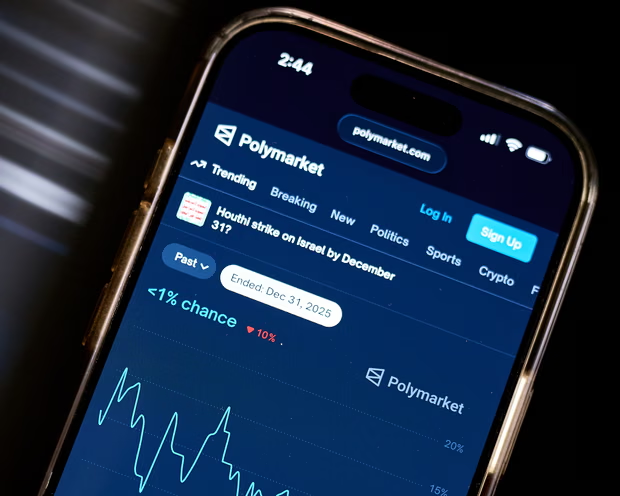
In the 26 days since US-Israel strikes began against Iran, a small prediction market platform has become one of the most consequential — and controversial — windows into the conflict.
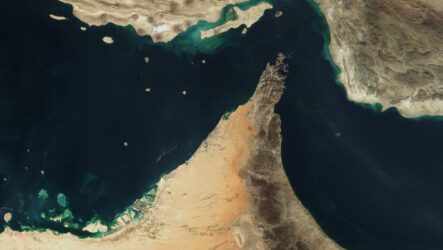
Polymarket, which allows users to bet on real-world events, has seen trading volumes surge as observers wager on questions like: When will the next strike occur? Will Hormuz be closed? Will there be a ceasefire by month’s end?
The platform is now in talks to raise $400 million at a $15 billion valuation. But with that growth comes scrutiny. The BBC found significant trading spikes that appeared to precede official announcements — raising the specter of insider trading.
The UN’s humanitarian chief put the weekly cost of the war at $2 billion, noting it could have saved 87 million lives. Meanwhile, Polymarket’s algorithms seem to know things before the world does.
This is the strange new economics of conflict: a prediction market where war is both spectacle and commodity, and where the line between information and speculation has dissolved entirely.
Today In History April 20
April 20, 2010: The Deepwater Horizon Begins to Bleed
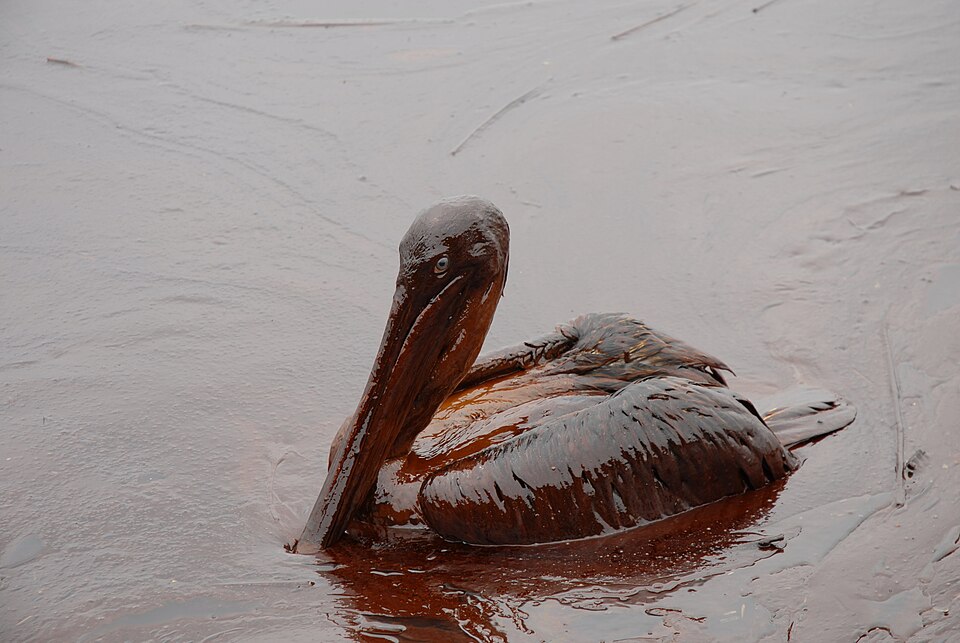
On this day in 2010, an explosion aboard the Deepwater Horizon drilling rig — located 50 miles off the Louisiana coast in the Gulf of Mexico — killed 11 workers and initiated the largest marine oil spill in American history.
Over the next 87 days, approximately 134 million gallons of crude oil gushed into the Gulf, devastating ecosystems from Texas to Florida. Fishing grounds were closed, beaches were blackened, and entire communities lost their livelihoods.
The disaster prompted the longest drilling moratorium in US history and led to sweeping regulatory reforms. BP, the operator, faced over $60 billion in fines and cleanup costs.
Sixteen years on, the Gulf has largely recovered — but the incident remains a cautionary tale about the risks of offshore drilling and the limits of corporate accountability.