Iran’s Hormuz Gambit: Why Tehran Is Doubling Down
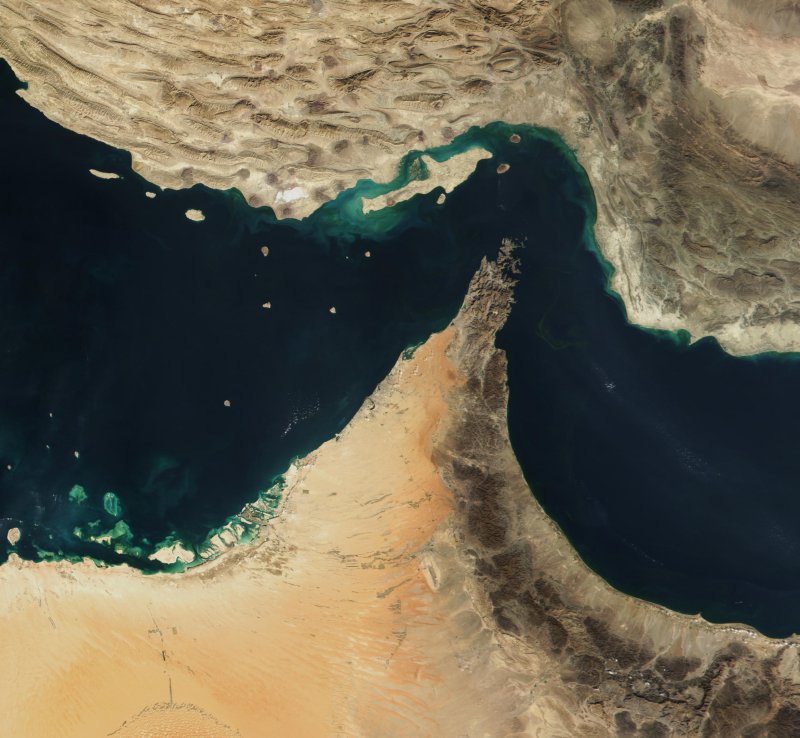
Iran’s Revolutionary Guard seized two container ships Wednesday and fired on a third in the Strait of Hormuz, marking a dangerous escalation that underscores how the ceasefire between Washington and Tehran is unraveling in real-time.
The attacks began at dawn. First, a container ship crossing the strait was approached by an IRGC gunboat. No warning was issued before the Iranian forces opened fire, causing “heavy damage to the bridge,” according to the British maritime agency tracking the incident. Two more ships came under attack within hours. The Guard later acknowledged the seizures, claiming the vessels had violated Iranian regulations.
This wasn’t rogue behavior — it was a message. Iran’s leadership is furious that Trump extended the ceasefire but kept the naval blockade on Iranian ports. From Tehran’s perspective, blocking Iranian ships while demanding goodwill from Tehran is hypocrisy. “The blockade is an act of war,” said Iran’s foreign minister. “This means nothing,” added an aide to the chief negotiator regarding Trump’s ceasefire extension.
The strategic logic is brutal but coherent: Iran controls Hormuz because geography gives it no other leverage. The strait is just 34 kilometers wide at its narrowest point. Twenty percent of the world’s oil passes through it. Every tanker that turns back, every ship that hesitates, proves the point.
Trump claims Iran is “collapsing financially.” Treasury Secretary Bessent says Kharg Island storage is filling up and Iranian oil wells will be shut in. Perhaps. But the Revolutionary Guard’s response — seizing ships and displaying missiles at pro-government rallies — suggests a regime more defiant than desperate.
What we’re watching now is whether the ceasefire becomes permanent ceasefire or pauses a war that resumes on worse terms. Right now, the weight of evidence points toward the latter.
Today In History April 22
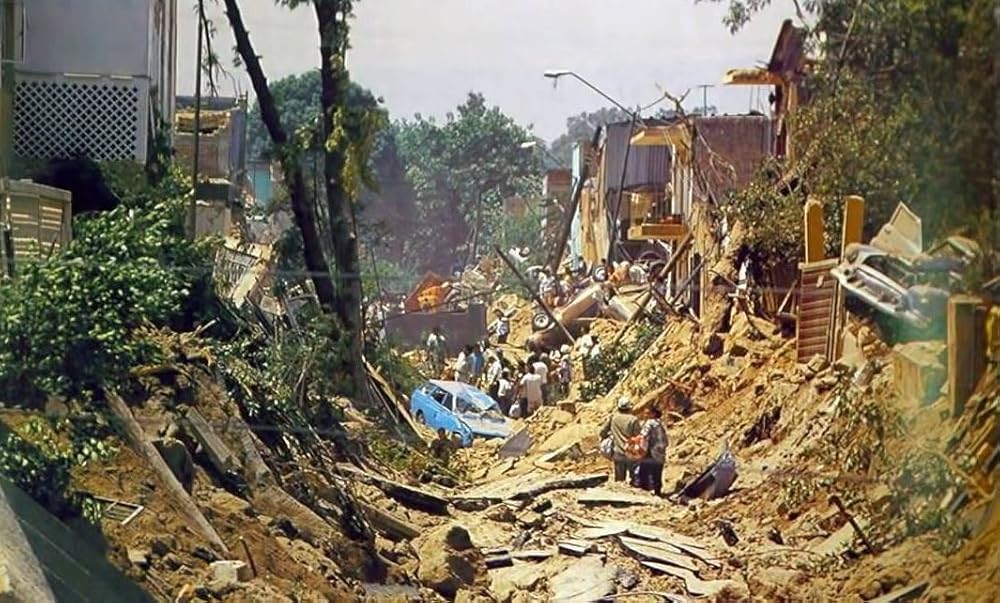
The Guadalajara Gas Disaster — April 22, 1992
In April of 1992, a series of underground gas pipeline explosions ripped through Guadalajara, Mexico’s second-largest city, killing more than 200 people and destroying over 1,000 buildings.
The disaster began when a subcontractor laid a steel pipeline too close to a gasoline pipeline in a suburb where the city’s population had exploded beyond its infrastructure planning. Gas leaked into the soil for months, seeping through joints and faulty welds. Warning signs — sulfur smells, hissing sounds, mysterious pavement stains, people experiencing nausea and stinging in their eyes and throats — were ignored by government officials who didn’t want to disrupt business.
On the morning of April 22, 1992, the accumulated gas found an ignition source. The first explosion cratered a major avenue. Then another. Then another. Firefighters arrived expecting a gas leak — they got a war zone. The explosions tunneled underground in the sewers for hours, flipping cars, collapsing buildings, and turning streets into craters. Whole city blocks sank.
More than 200 died. Hundreds more were hospitalized. The official death toll may never be known — bodies were buried in mass graves before proper identification. The government’s response was chaotic and ultimately negligent; officials destroyed evidence, blocked investigations, and tried to blame everything from arson to a gas company union dispute.
Mayor Enrique Dau Flores was indicted for ignoring the warnings; he subsequently resigned from office. Eight others in the government and PEMEX, the national oil company, were also charged in the case. PEMEX was still reeling from a 1984 Mexico City propane explosion that killed 450 people and for which they had also been found responsible. The case brought to light a continuing problem in Mexico: the contamination of sewage by industrial waste and hazardous chemicals and its effect on the underground piping system.
The real lessons? Infrastructure negligence isn’t incompetence — it’s policy. The pipeline company knew about the proximity problem. Officials knew about the gas smells. Nobody wanted to be the one who stopped progress for safety. The result was a catastrophe that could have been prevented by reading a map twice.
Guadalajara became a case study in why infrastructure investment matters, why corruption kills, and why the cost of ignoring warning signs is always paid in blood.