Iran’s Hormuz Gambit: How Tehran Weaponized the World’s Most Important Chokepoint
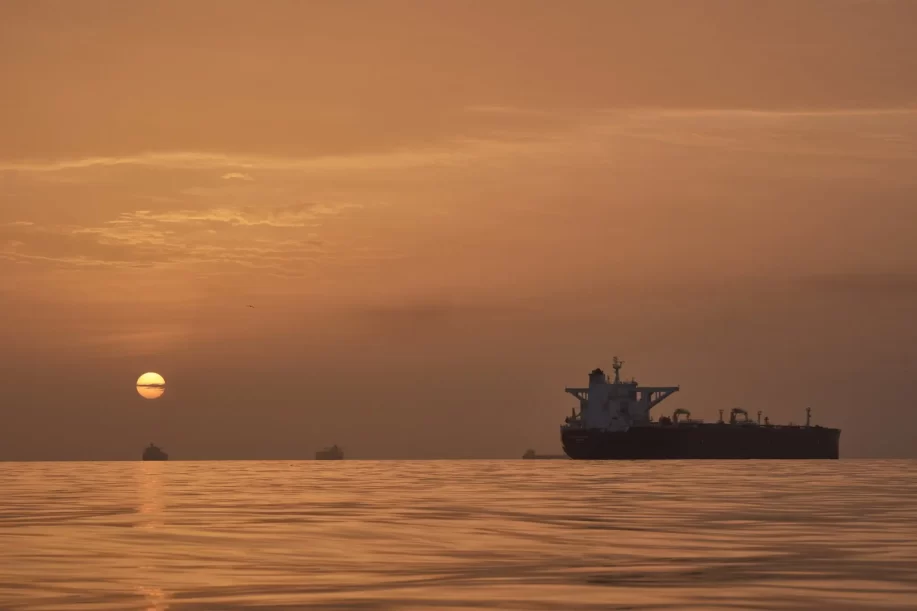
The Strait of Hormuz is where the world’s oil fears become real. Every day, roughly 21 million barrels of crude pass through this 21-mile-wide pinch point between Oman and Iran. When Iran’s Revolutionary Guards closed it this week — and again today — they weren’t just making a threat. They were running a test.
The pattern is deliberate: Iran opens, talks, then closes again when the US doesn’t capitulate. The goal isn’t to tank global markets permanently — it’s to create enough volatility that Trump faces domestic pressure to cut a deal. With US gasoline prices a swing voter issue, Tehran is betting on economic fear as leverage.
For Trump, the calculus is uncomfortable. A sustained Hormuz closure would spike pump prices before midterms. But yielding to the blockade also signals weakness before nuclear talks resume. The current ceasefire-with-blockade posture keeps both sides from escalating while buying time — but it won’t hold forever if Iran calculates the cost of war is lower than the cost of yielding.
This is the fourth time in six weeks Iran has opened and closed Hormuz. That’s not diplomatic posturing — it’s a pressure valve that punishes everyone from Tokyo to Rotterdam. Understanding who blinks first defines your energy cost outlook for the rest of 2026.
Today In History April 18
The Truth About Paul Revere’s Midnight Ride — April 18, 1775
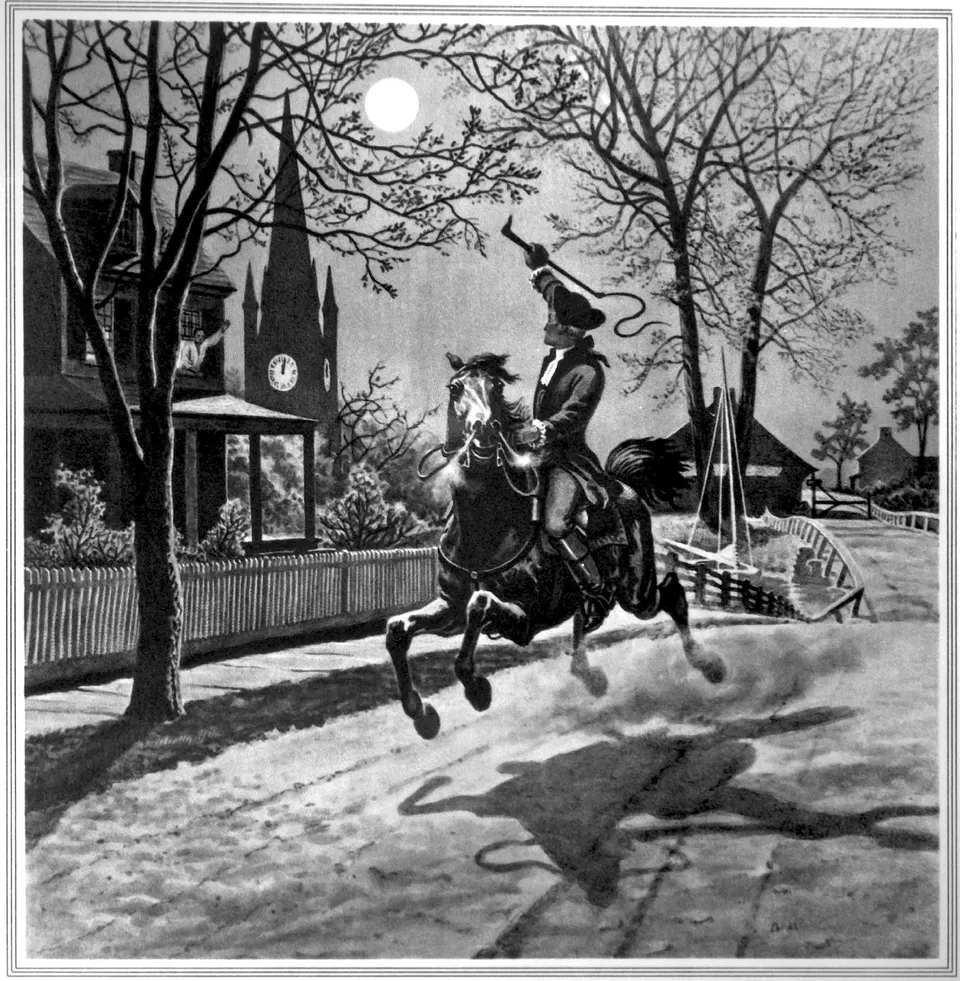
Paul Revere wasn’t famous for his ride. He was famous for what happened after.
On this night in 1775, the 40-year-old silversmith jumped on a horse and galloped through the Massachusetts countryside, warning minutemen that British troops were marching to confiscate weapons at Concord. His famous cry — “The British are coming!” — has echoed for 250 years as the opening scene of American independence.
But here’s what history leaves out: Revere was arrested that night. Two other riders — William Dawes and Samuel Prescott — made it further, and Prescott was the one who actually reached Concord and warned the militia. Revere’s midnight ride lasted about 20 minutes before he was detained by a British patrol. He was released but lost his horse.
The mythology of Revere was built later — partly by poets, partly by himself. He became a symbol of what one citizen’s courage could do, even if the reality was messier and more collaborative.
Paul Revere’s ride is a reminder that history’s great moments are rarely the work of lone heroes. They’re the product of networks — the Dawes and Prescotts who run alongside the famous names. In an age of individualism and social media influencers, that’s worth remembering.