
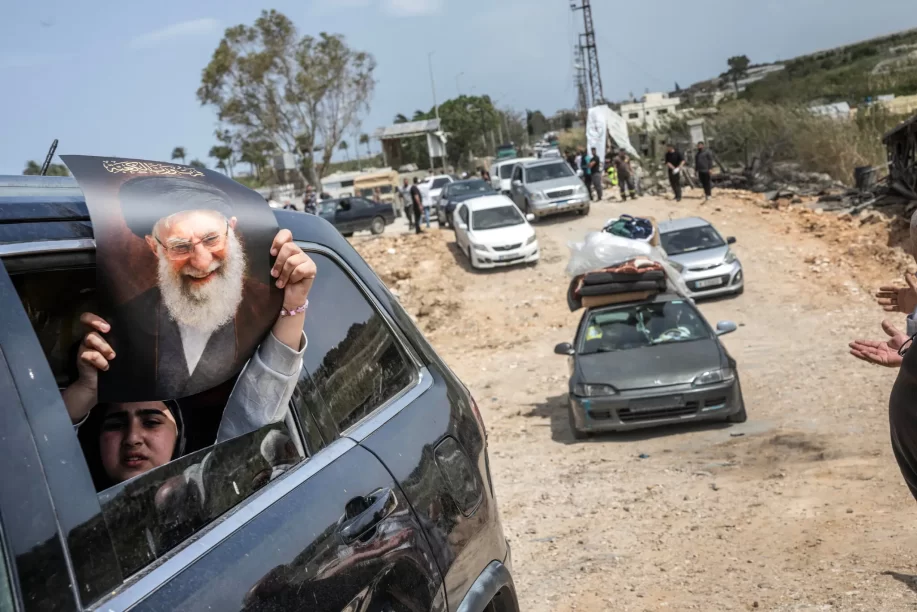
How the Iran War Is Helping Lebanon and Israel Tiptoe Toward Peace
In the calculus of war, enemies sometimes find unexpected common ground. As Israeli jets hammered Iranian-backed targets and Lebanese Hezbollah found itself increasingly isolated, both Lebanon and Israel discovered they had a shared interest: stopping.
The US-Iran conflict — initially sparked by Iranian nuclear escalation — created diplomatic space that neither Israel nor Lebanon could have engineered alone. American pressure on Tehran redirected Hezbollah’s patron, while the intensity of the broader conflict made a Lebanese ceasefire politically viable for Netanyahu in ways a standalone deal never would have been.
The 10-day window is narrow. But the fact that it exists at all — in the middle of a regional war — is remarkable. Trump administration officials have been clear: the Israel-Lebanon ceasefire is not separate from the Iran talks, it’s part of the same architecture. Remove one, and the other becomes harder.
Israel will remain in southern Lebanon, a reality that Lebanon’s government is quietly accepting — for now. The more difficult question is what happens when the 10 days end. Will both sides find reasons to extend? Or does the ceasefire become another chapter in a conflict that never quite ends?
Why it matters: This ceasefire isn’t just about Lebanon. It’s the pressure valve that makes the Iran deal possible — and the test case for whether Trump’s “peace through strength” doctrine can produce anything durable.
Today In History April 17
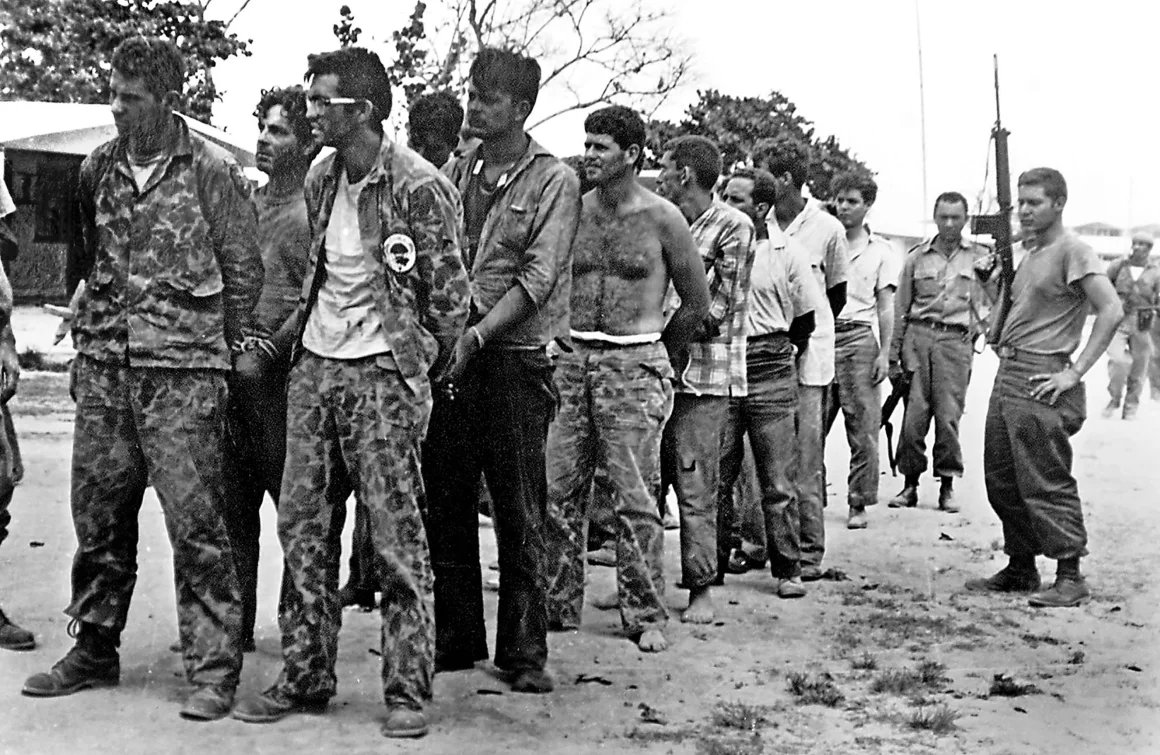
The Bay of Pigs Fiasco — April 17, 1961
On this day in 1961, 1,400 Cuban exiles landed at the Bay of Pigs in a doomed attempt to overthrow Fidel Castro. The invasion — planned under Eisenhower, authorized by Kennedy — collapsed within 72 hours. Castro’s forces captured or killed the invaders. The US was humiliated on live television.
The operation was riddled with failures: inadequate air cover, poor intelligence, a coral reef that grounded landing craft, and a CIA that had convinced itself victory was inevitable. The exiled Cubans fought bravely but were outgunned and outmaneuvered. Kennedy, 10 weeks into his presidency, took full responsibility — a move that earned respect but exposed the arrogance of American exceptionalism.
Why it still matters: The Bay of Pigs reminds us that even the world’s most powerful intelligence apparatus can get things catastrophically wrong when ideology clouds judgment. Sixty-five years later, the same lessons echo: don’t assume your enemy is weaker than they are, don’t plan a war you can’t publicly own, and never underestimate the will of a leader fighting on their own soil.