When the Enemies You Made Become Your Neighbors:
Mali’s Jihadi-Separatist Alliance Returns
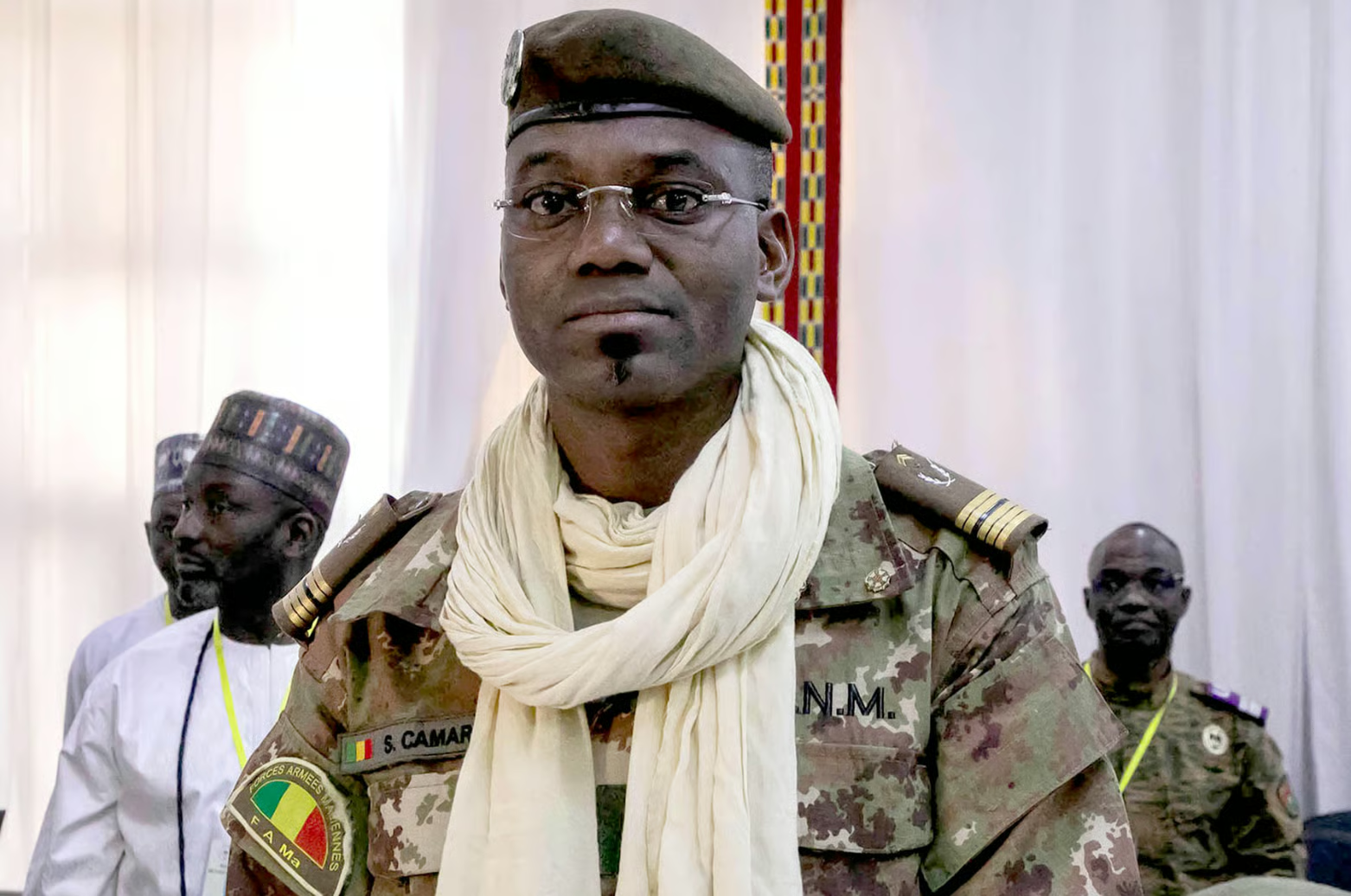
Mali’s Minister of Defense has been killed in an attack on his residence.
On Saturday morning, Mali woke up to find itself under siege from two directions at once — and those two directions had, until recently, been fighting each other.
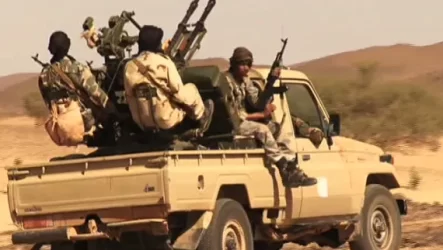
Al-Qaeda-linked militants from Jama’at Nusrat al-Islam wal-Muslimin (JNIM) launched attacks across Mali’s capital, Bamako, and four other cities in what analysts called the largest coordinated assault since 2012. But this time, JNIM wasn’t alone. They brought along the Azawad Liberation Front — a Tuareg separatist group that had, just three years ago, been driven out of Kidal by Malian forces and Russian mercenaries.
The two groups have history. In 2012, JNIM’s predecessor organizations and secular Tuareg rebels together overran northern Mali, sparking the security crisis that eventually drew in French forces. Now they’re back together again, and analysts are alarmed.
“It’s especially concerning that JNIM apparently has been coordinating today’s attacks with Tuareg rebels,” said Ulf Laessing of the Konrad Adenauer Foundation. “Jihadis and Tuareg rebels teamed up before, in 2012… they jointly overran northern Mali, sparking the region’s security crisis.”
What makes this alliance so destabilizing is its ideological flexibility. JNIM wants an Islamic state. The FLA wants an independent Tuareg homeland. These are not natural allies — but they’ve found common cause in opposing Mali’s military junta, which came to power through coups in 2020 and 2021, expelled French forces, and brought in Russia’s Wagner Group (now Africa Corps) to fight the insurgents.
That bet has failed. JNIM has steadily gained territory, imposed fuel blockades on Bamako, and now appears capable of striking the capital itself. The defense minister’s residence was destroyed in Saturday’s attack. Defense Minister General Sadio Camara was killed in the attack.
The irony is sharp: Mali’s junta turned to Russia precisely to defeat groups like JNIM. Instead, Russia’s presence has driven secular Tuareg rebels back into the arms of their former jihadist enemies. The enemies you make become the neighbors you keep — and in Mali’s war, nobody stays permanently on one side.
Today In History April 25
April 26, 1937: The Bombing of Guernica
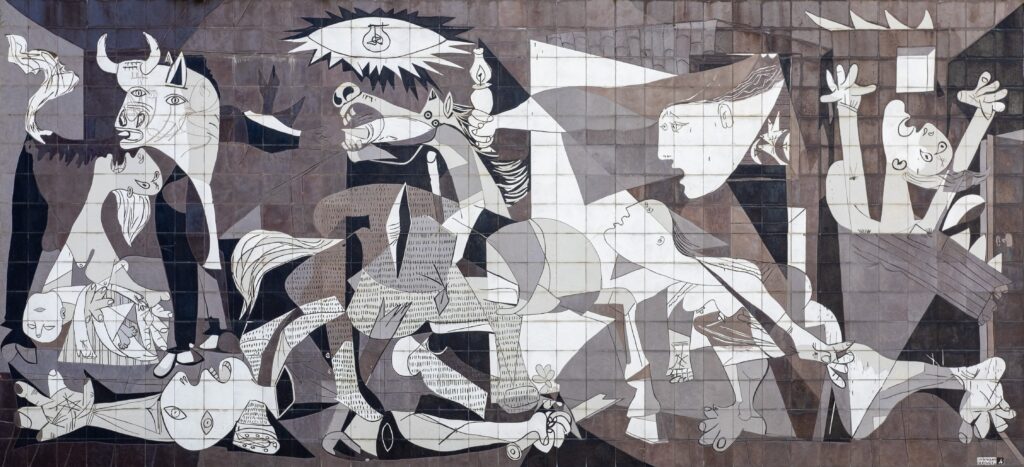
On this day in 1937, the Basque town of Guernica was destroyed by a bombing raid that became one of the defining images of the 20th century — not because of the death toll, though hundreds died, but because of what it represented.
The attack was carried out by Germany’s Condor Legion, supporting General Franco’s Nationalist forces during the Spanish Civil War. The town itself had no military significance — it was a market town, home to civilians, with no anti-aircraft defenses. The purpose was psychological: to terrify the population into submission.
The world learned of the destruction not from military reports, but from a foreign correspondent named George Steer, who filed a dispatch to the Times of London describing the town in ruins, civilians burned alive by incendiary bombs, and a plaza where hundreds had been killed while trying to flee. His reporting was visceral, precise, and devastating.
Three weeks later, Pablo Picasso completed Guernica — a massive canvas that transformed the event into universal symbol. The horse screams. The bull stands mute. The lightbulb hangs like a dead sun. The woman with the dead child reaches toward nothing.
What Picasso understood, and what Steer documented, was that this wasn’t a battle — it was a message. The message was: no town is safe, no civilians are protected, nowhere is outside the reach of modern war.