
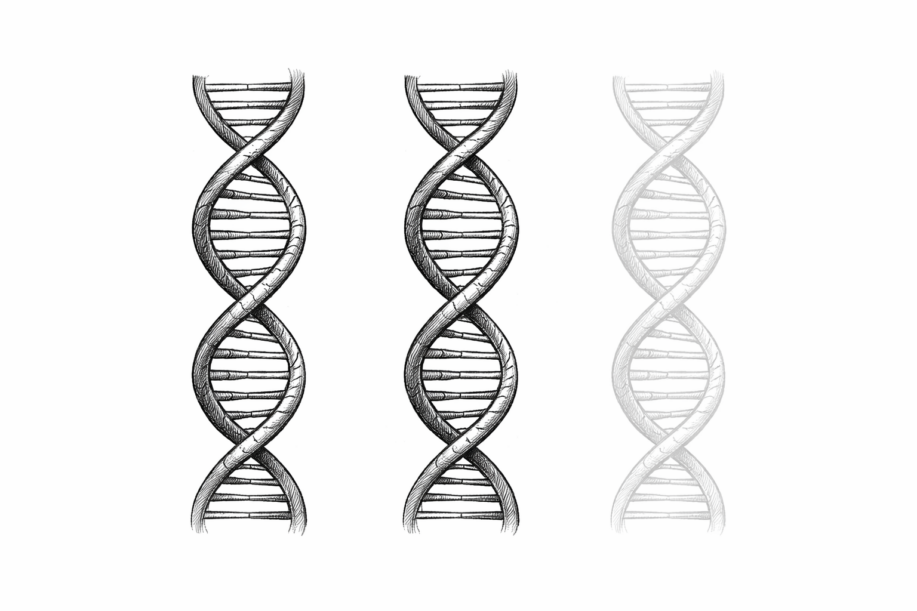
Breakthrough In Gene Therapy For Downs Syndrome
Scientists at Beth Israel Deaconess Medical Center and Harvard Medical School have taken a significant step toward a gene therapy that could one day silence the extra chromosome responsible for Down syndrome. Using a modified CRISPR/Cas9 technique, they inserted the XIST gene — the same gene females use to silence one of their two X chromosomes — into the extra chromosome 21 in human stem cells. The approach achieved 20-40% integration efficiency, meaning the silencing machinery landed in the right place in a meaningful fraction of cells.
Traditional gene therapy targets one or two genes. This targets an entire chromosome. That’s a fundamentally different engineering challenge, and the fact that it worked at all is a milestone. The research, published in the Proceedings of the National Academy of Sciences, describes this as “a road for therapeutic treatment for DS and other aneuploidies.” Animal studies and off-target effect analysis are next. A clinical therapy is years away, but the conceptual barrier has been crossed.
Today In History

🎤 Kendrick Lamar Wins the Pulitzer (April 16, 2018)
On this day in 2018, Kendrick Lamar became the first hip-hop artist to win the Pulitzer Prize for Music. His album DAMN. — a dense, often brutal meditation on Black American life, faith, and mortality — was deemed worthy alongside compositions by classical and jazz composers who’d previously dominated the prize. It was a moment that forced institutions to reckon with what “American music” actually sounds like in the 21st century.
Lamar’s win mattered because it wasn’t symbolic gesture politics — DAMN. genuinely earned the recognition on artistic merit, and the Pulitzer committee said so. Eight years later, the debate about genre boundaries in serious music feels settled in a way it wasn’t before. The institutions caught up.